
How venting systems improve wastewater network performance
How venting systems improve wastewater network performance
To keep wastewater networks operating safely and efficiently, modern systems use specialised vents that manage airflow and pressure within underground pipes. Two key components in this process are in‑duct vents and e‑duct vents, each playing an important role in maintaining the reliability and safety of the network.
What are in‑duct vents?
In‑duct vents allow air to enter wastewater pipes, helping to balance internal pressure as water moves through the system. This prevents common issues such as:
- slow or uneven drainage
- gurgling noises in household plumbing
- sewer gases being drawn into buildings
By stabilising pressure, in‑duct vents support smooth wastewater flow and protect the internal surfaces of the pipes.
In‑duct
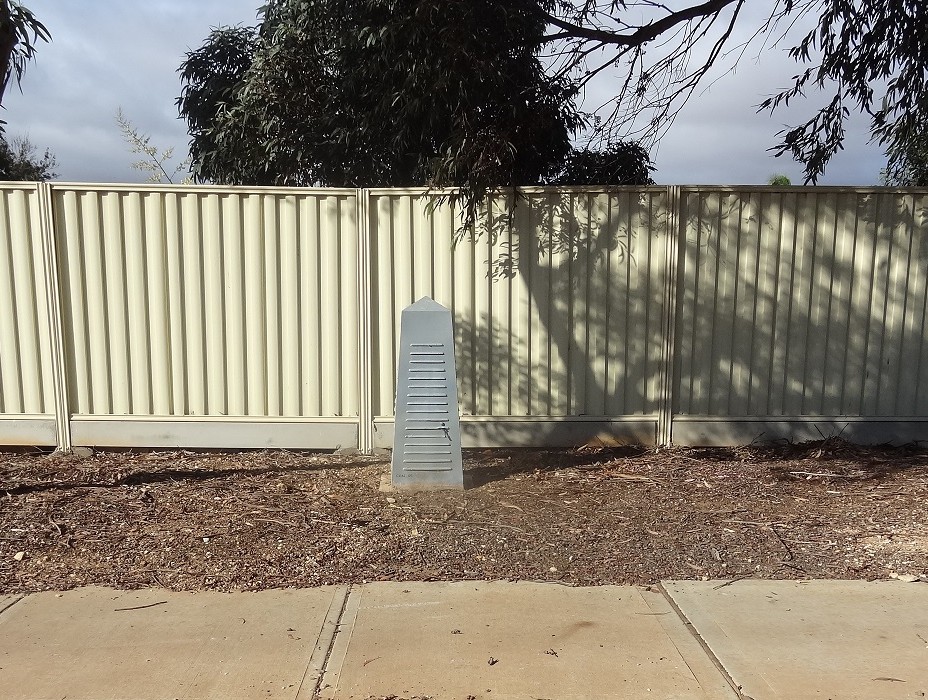
What are e‑duct vents?
E‑duct vents release built‑up air and gases from the network safely above ground. This controlled ventilation helps:
- reduce odours at street level
- prevent pressure build‑up in pipes
- maintain a safer environment for the community and maintenance crews
These vents ensure that gases are directed upwards and away from populated areas.
E‑duct
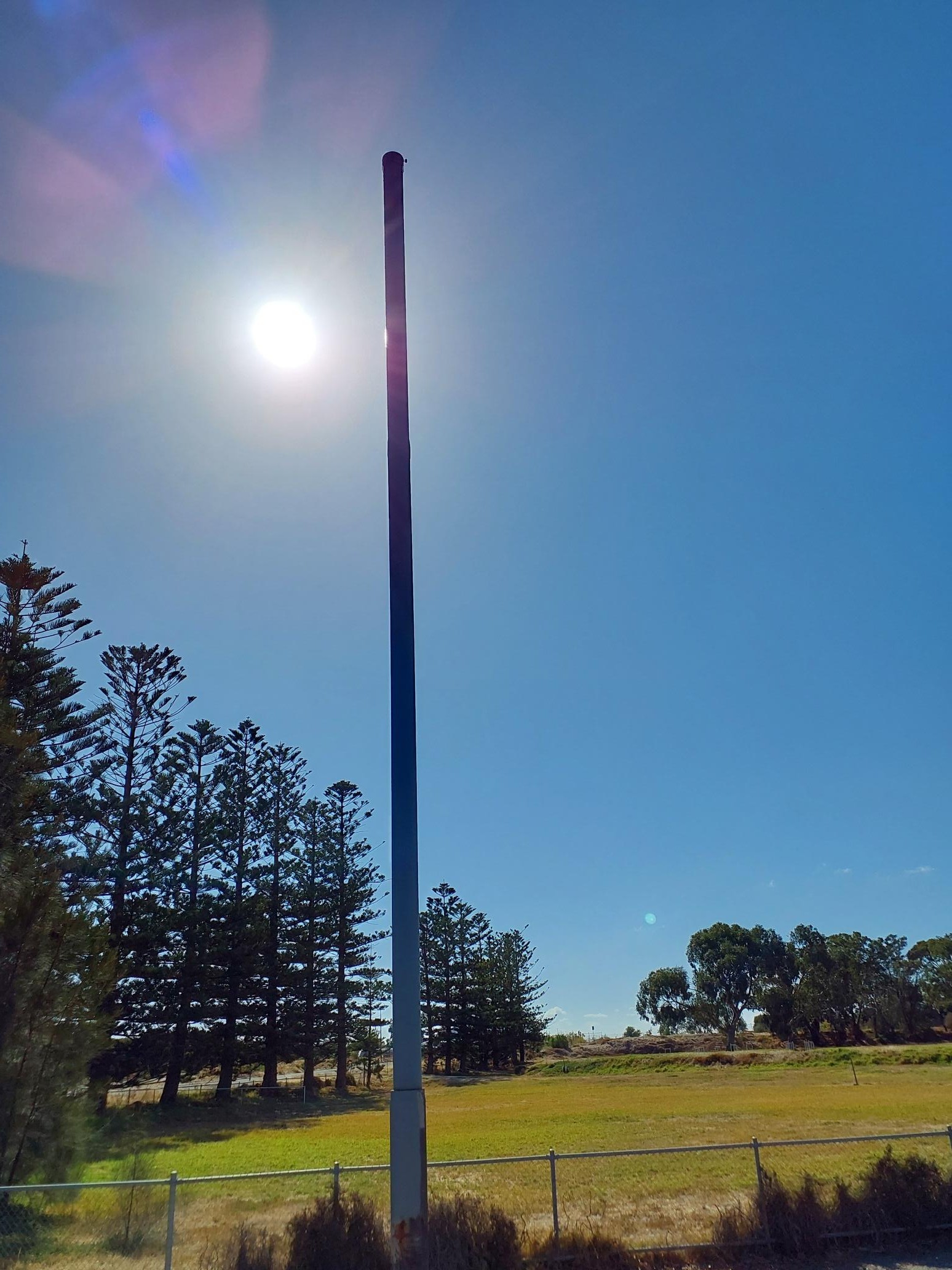
Why these vents matter
Working together, in‑duct and e‑duct vents help:
- keep wastewater moving efficiently
- protect infrastructure from pressure‑related wear
- reduce community odours
- support overall public health and safety
You may sometimes notice these vents along roads or near wastewater infrastructure, they are a normal and essential part of a well‑designed, modern wastewater network.
Deaf, hearing or speech impaired customers.
Contact us through the National Relay Service and ask for SA Water on 1300 981 233.
- TTY users phone 133 677 then ask for SA Water on 1300 981 233
- Speak and Listen users phone 1300 555 727 then ask for SA Water on 1300 981 233

Calling from overseas
You can contact us on +61 8 7424 1735
